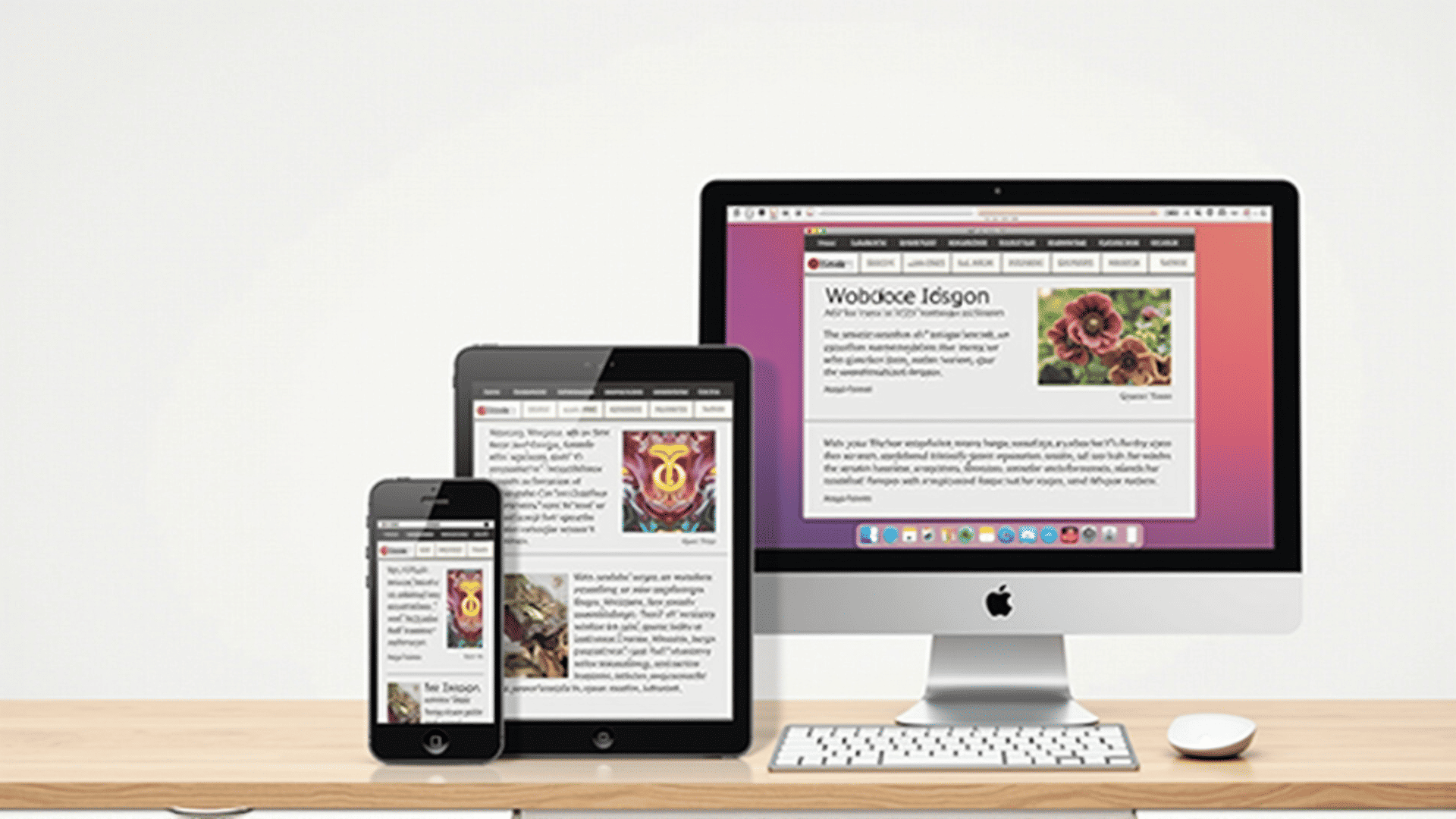
In today's fast-paced digital world, creating an engaging and user-friendly experience across all devices has never been more crucial. Adaptive design is at the forefront of this movement, offering a solution that ensures websites and applications remain accessible and usable, regardless of the platform on which they are viewed. Let's delve deeper into why adaptive design is pivotal in crafting seamless digital experiences.
Understanding Adaptive Design
At its core, adaptive design is about creating web pages that dynamically adjust to the user's device. Unlike responsive design, which fluidly scales across devices, adaptive design focuses on creating different layouts for specific screen sizes. This means designers and developers create multiple versions of a webpage tailored for various devices, such as smartphones, tablets, and desktops.
The Benefits of Adaptive Design
1. Enhanced User Experience
Adaptive design ensures that users have an optimal experience tailored to their device's capabilities. By designing specifically for a device's screen size and orientation, users don't have to endure awkward scrolling or distorted layouts. Instead, they enjoy a perfectly optimized interface that feels intuitive and tailored to their device.
2. Faster Load Times
Since adaptive design serves pre-set layouts based on the device type, it can significantly reduce load times. Rather than relying on a single complex layout that scales, adaptive design can deliver lighter, faster-loading pages optimized for specific devices. This efficiency in loading can enhance user satisfaction and reduce bounce rates, a critical factor in engagement and conversion.
3. Improved Accessibility
Adaptive design can also play a crucial role in accessibility, making web content more reachable for users with disabilities. By enabling digital experiences that perfectly fit any device, adaptive design ensures that every user, regardless of their device or ability, can access content without barriers. This inclusivity not only meets legal requirements but also broadens the audience reach.
4. Better Performance Analytics
One key advantage of using adaptive design is the ability to individually track the performance of each device-specific version of a webpage. This allows businesses to gain deeper insights into user behavior and preferences across different devices. By analyzing these metrics, companies can make informed decisions about how to optimize their digital strategy for each device.
Crafting Adaptive Digital Experiences
Creating an effective adaptive design requires a blend of creativity, foresight, and technical acumen. Here are a few strategies to consider:
-
Prioritize Content Hierarchy: Not all content is equally important across devices. A small screen, like that of a smartphone, might require a different content hierarchy compared to a desktop. Prioritize key messages and actions to ensure they are visible and accessible.
-
Utilize Device’s Capabilities: Different devices offer unique capabilities. Leverage features like touch screens on smartphones or gyroscopic functions in tablets to enhance user interaction.
-
Maintain Consistency: While adaptive design caters specifically to each device, it's essential to maintain brand consistency across all platforms. This ensures a unified brand image and a smooth user transition between devices.
-
Test Across Multiple Devices: Regularly testing your digital experiences across various devices and screen sizes is crucial. This helps identify any discrepancies and allows for tweaks that ensure a consistent user experience.
The Future of Adaptive Design
As technology evolves, the importance of adaptive design will only grow. With innovative devices like foldable phones and various smart displays emerging, there's an increasing demand for designs that adapt seamlessly to new device capabilities and orientations. Investing in adaptive design is no longer a luxury but a necessity for businesses keen on staying ahead in the digital landscape.
In conclusion, adaptive design is an indispensable tool in the creation of digital experiences that are accessible, usable, and tailored to every device. It ensures that the digital world is a welcoming and usable place for everyone, anywhere, and on any device. As businesses and designers adopt this approach, they not only enhance user satisfaction but also ensure their digital presence can flourish in an ever-evolving technological landscape.