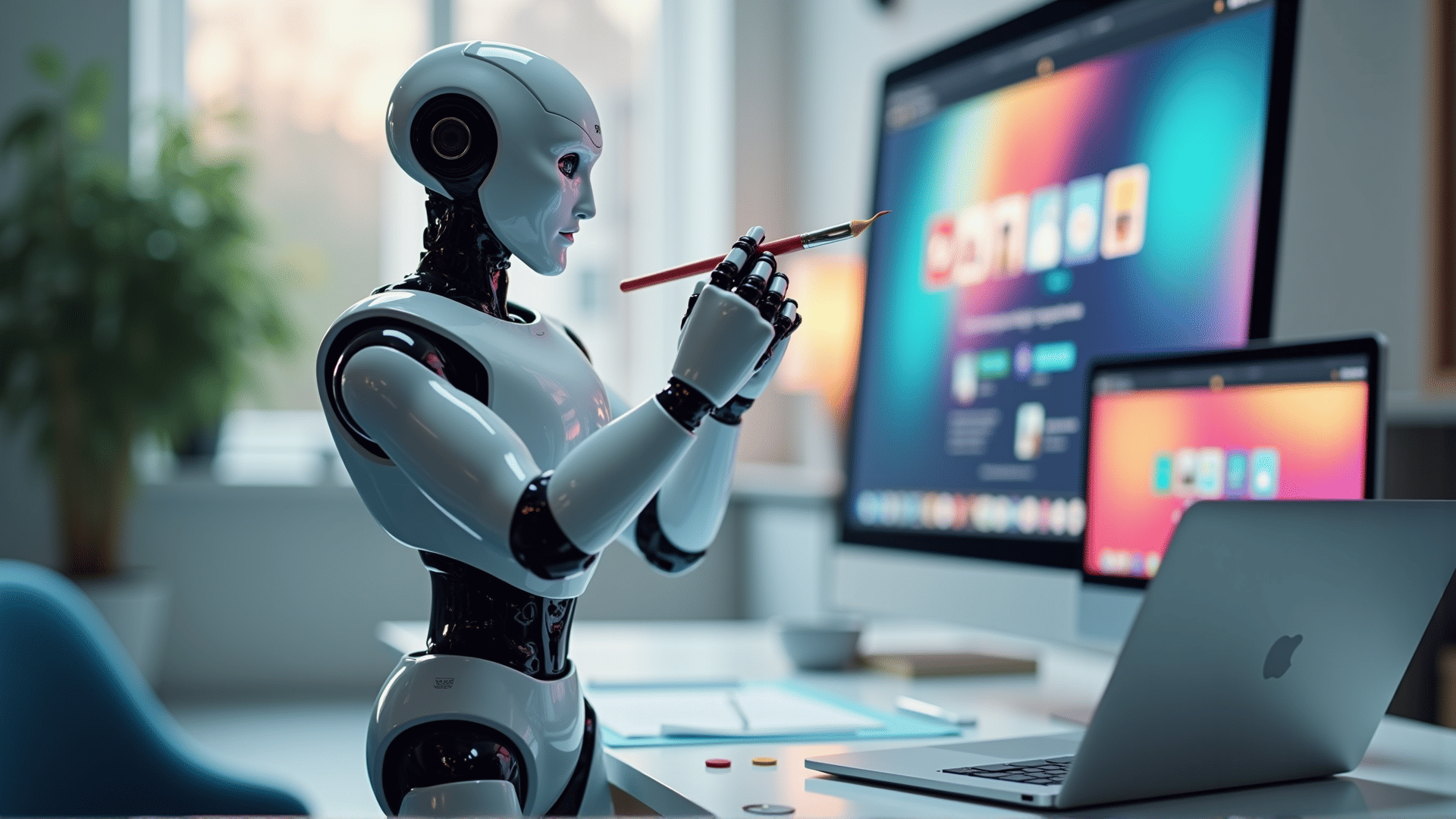
Artificial intelligence (AI) has been making waves in various industries, and web design is no exception. As technology continues to advance, AI's integration into web design processes has revolutionized the way websites are conceptualized, developed, and maintained. By leveraging the power of AI, designers and developers can significantly enhance efficiency, personalize user experiences, and optimize website performance.
One of the most compelling advantages of AI in web design is its ability to streamline the design process. Traditionally, creating a website involves a time-consuming routine of brainstorming, wireframing, and prototyping. AI tools can expedite these initial stages by automatically generating design layouts based on predefined criteria and user input. This not only saves time but also allows designers to explore a wider variety of design concepts without significant effort.
AI can also improve the personalization of user experiences. By analyzing vast amounts of user data, AI algorithms can identify patterns and preferences, which can then be used to tailor the content and layout of a website to individual visitors. This kind of dynamic content personalization ensures that users are engaged and find what they are looking for more efficiently, leading to higher conversion rates and increased customer satisfaction.
Another critical aspect of AI in web design is its role in accessibility. AI-powered tools can automatically analyze websites for accessibility issues, such as color contrast, font size, and keyboard navigation. By identifying and addressing these problems, designers can create more inclusive web experiences that cater to users with disabilities, thus broadening the reach and impact of their digital presence.
Furthermore, AI can greatly enhance website performance through automation and optimization. For example, AI-driven tools can automatically compress images and manage scripts to ensure faster loading times. They can also predict and preemptively address potential issues, helping to maintain a smooth and seamless user experience.
Incorporating AI into web design requires a strategic approach. Designers and developers should first identify areas in their workflow where AI can offer significant benefits, such as automating repetitive tasks or enhancing user personalization. They should also familiarize themselves with the AI tools available in the market and evaluate their suitability based on project requirements and budget constraints.
Moreover, collaboration between AI specialists and web design professionals is crucial to effectively integrate AI into web design. A synergy between these fields can lead to novel solutions and innovative designs that push the boundaries of what is possible on the web.
In conclusion, the role of AI in web design is transformative, offering myriad opportunities to improve efficiency, personalize user experiences, and optimize performance. As AI technology continues to evolve, web designers and developers who embrace these advancements will be well-positioned to create cutting-edge websites that captivate and engage users in new and exciting ways. By strategically implementing AI into their projects, they can lead the way in the ever-changing landscape of web design.